The Complete Guide to Choosing an Electrolyzer for Intermittent Solar and Wind

Short answer: PEM electrolyzers handle intermittent solar and wind better than alkaline on raw response speed and minimum load, alkaline paired with batteries closes most of that gap at lower capital cost, and decoupled water electrolysis (DWE) is a newer, structurally different architecture built specifically around unlimited cycling, with commercial-scale proof still pending. This guide … Read more

The Complete Guide to Cutting Electrolyzer CAPEX at Utility Scale

Cutting capital cost for a utility-scale green hydrogen plant comes down to three things working together: stack-level material and design choices, module size, and manufacturing scale, applied against the balance-of-plant equipment that usually costs more than the stack itself. No single lever gets a project to its target CAPEX alone. This guide breaks down where … Read more

Green Hydrogen Cost Projections Through 2030: An Independent Breakdown

Green hydrogen is not going to hit broad cost parity with grey hydrogen by 2030. The latest data points to a narrower outcome: sub-$2/kg production concentrated almost entirely in China, a wider band of $3-plus pricing in favorable regions like Australia, and most of the rest of the world still sitting above $4/kg. This page … Read more

DC-to-DC Electrolyzer Coupling Explained: Why “Direct” Isn’t Simple

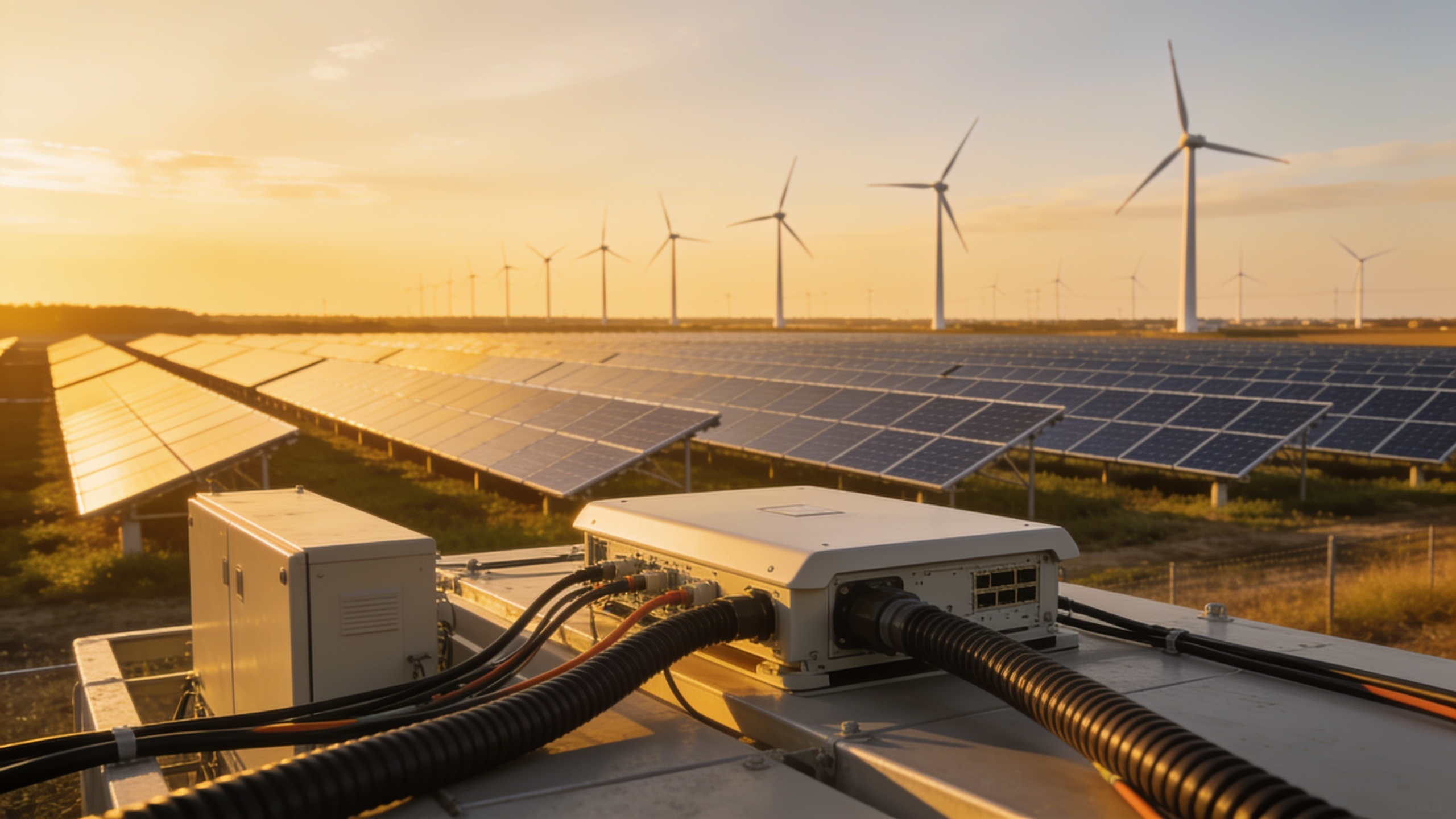
DC-to-DC Electrolyzer Coupling Explained: Why “Direct” Isn’t Simple Wiring an electrolyzer straight into a solar or wind array’s DC output, without the inverter-and-rectifier round trip a grid-coupled system requires, is one of the more effective ways to cut the cost of renewable hydrogen. But direct doesn’t mean simple, and it doesn’t mean wire-only. A DC-DC … Read more

The Complete Guide to Grid Integration Challenges for Large Electrolyzers

Large electrolyzer projects stall on grid integration more often than they stall on chemistry. The problem splits into two parts: getting an interconnection approved, and operating cleanly once connected. This guide breaks down both, plus the off-grid alternative a growing number of projects are choosing instead. Why Grid Integration Is a Two-Part Problem A large … Read more

Connecting an Electrolyzer Directly to Off-Grid Solar or Wind: What It Actually Takes

Connecting an Electrolyzer Directly to Off-Grid Solar or Wind: What It Actually Takes Running an electrolyzer straight off a solar or wind farm, with no grid connection and no battery buffer, is possible, but only with an architecture built for it. The deciding factor isn’t the renewable resource. It’s whether the electrolyzer can tolerate a … Read more

Alkaline vs. PEM vs. SOEC vs. DWE: Which Electrolysis Method Actually Makes the Cheapest Green Hydrogen?

Alkaline vs. PEM vs. SOEC vs. DWE: Which Electrolysis Method Actually Makes the Cheapest Green Hydrogen? There’s no single electrolyzer technology that wins on cost in every situation. The method that produces the cheapest green hydrogen is whichever one can run economically on the cheapest electricity available at a given site, and that answer changes … Read more

Membraneless Electrolyzer Safety: An Independent Breakdown

Short answer up front: membraneless electrolyzers can be safe, and the better designs in this category directly target the specific weakness that makes conventional electrolyzers dangerous — hydrogen and oxygen mixing into a flammable blend. The word membraneless describes what’s missing, not a reduction in safeguards. This guide breaks down why the membrane existed, how … Read more

Electrolyzer Energy Use Compared: What Actually Cuts the Kilowatt-Hours?

Electrolysis energy use comes down to four things: cell-level electrical efficiency, stack architecture losses, cycling tolerance under variable power, and how cheaply the system can source its electricity. Improving cell chemistry alone typically closes only a fraction of the gap between theoretical and real-world energy consumption. This guide breaks down each lever, then compares how … Read more